<- Cases /
Action
Action Ecommerce
Action runs a separate webshop alongside its physical stores. Merging those two worlds in three steps raised one question: does this mental model actually make sense to users? We tested it. And mid-session, AI let us iterate on solutions in real time.
2026
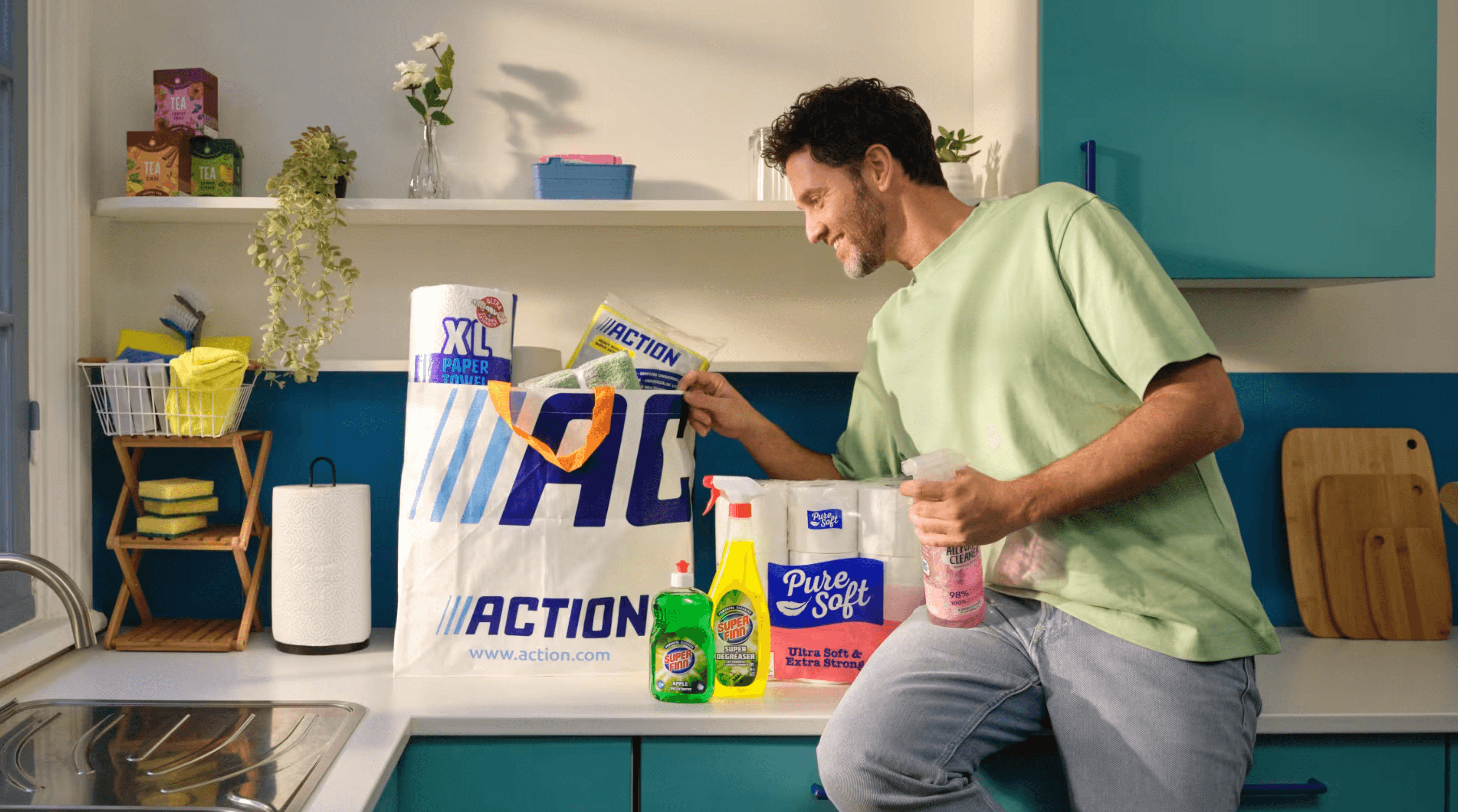
Action's Dutch and Belgian webshop operates independently from the in-store assortment. The ambition: bring them together progressively. First as separate but co-existing entities, then switchable via a toggle in the app, and eventually fully integrated. Before committing to a direction, the team needed to validate whether users understood this model at all.
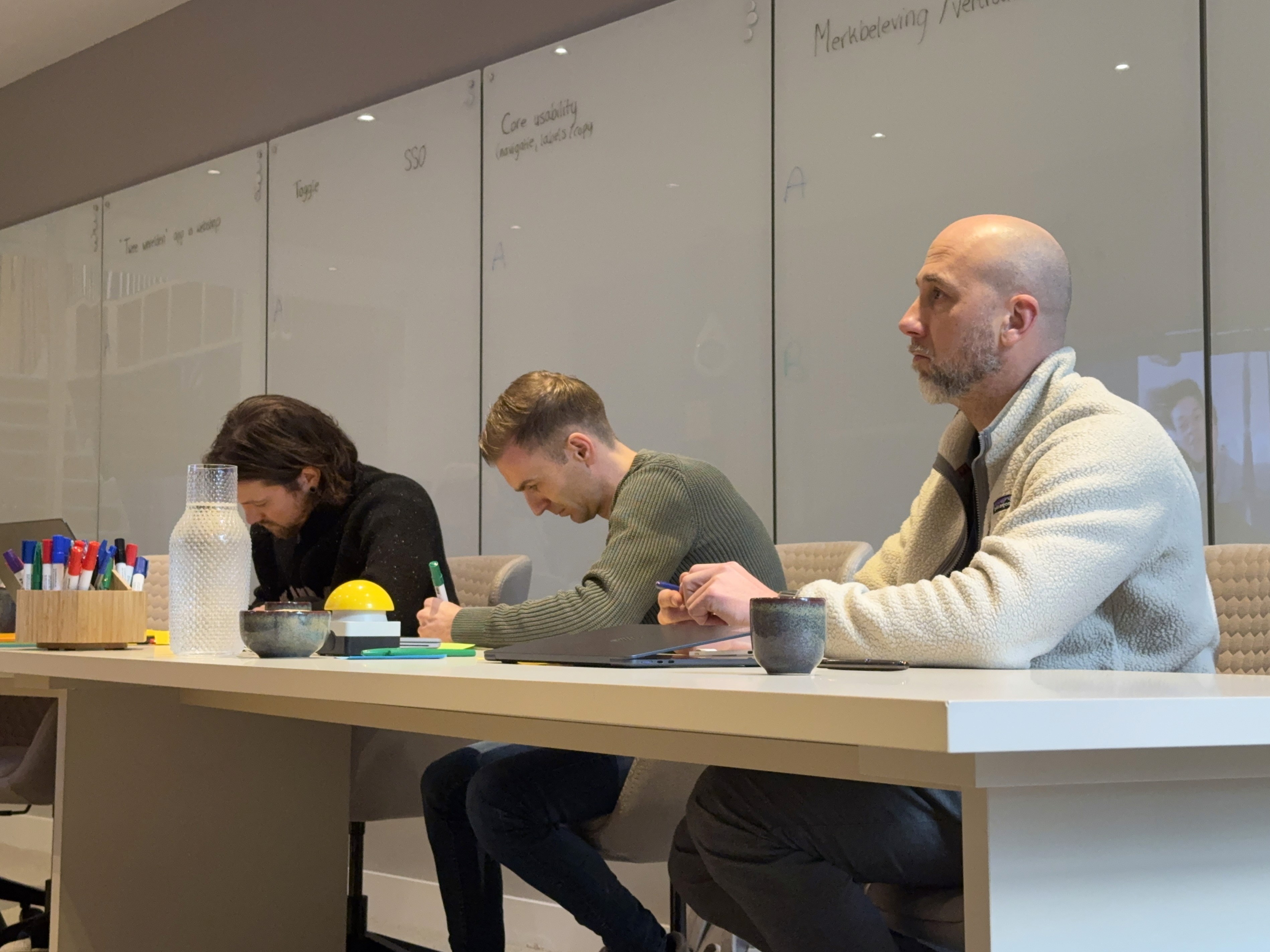
We built a prototype to take into user testing. But the more interesting story happened between sessions: using AI, I generated rapid interface iterations on the spot to show stakeholders alternative solutions the moment a question came up, turning the observation room into a live design conversation.
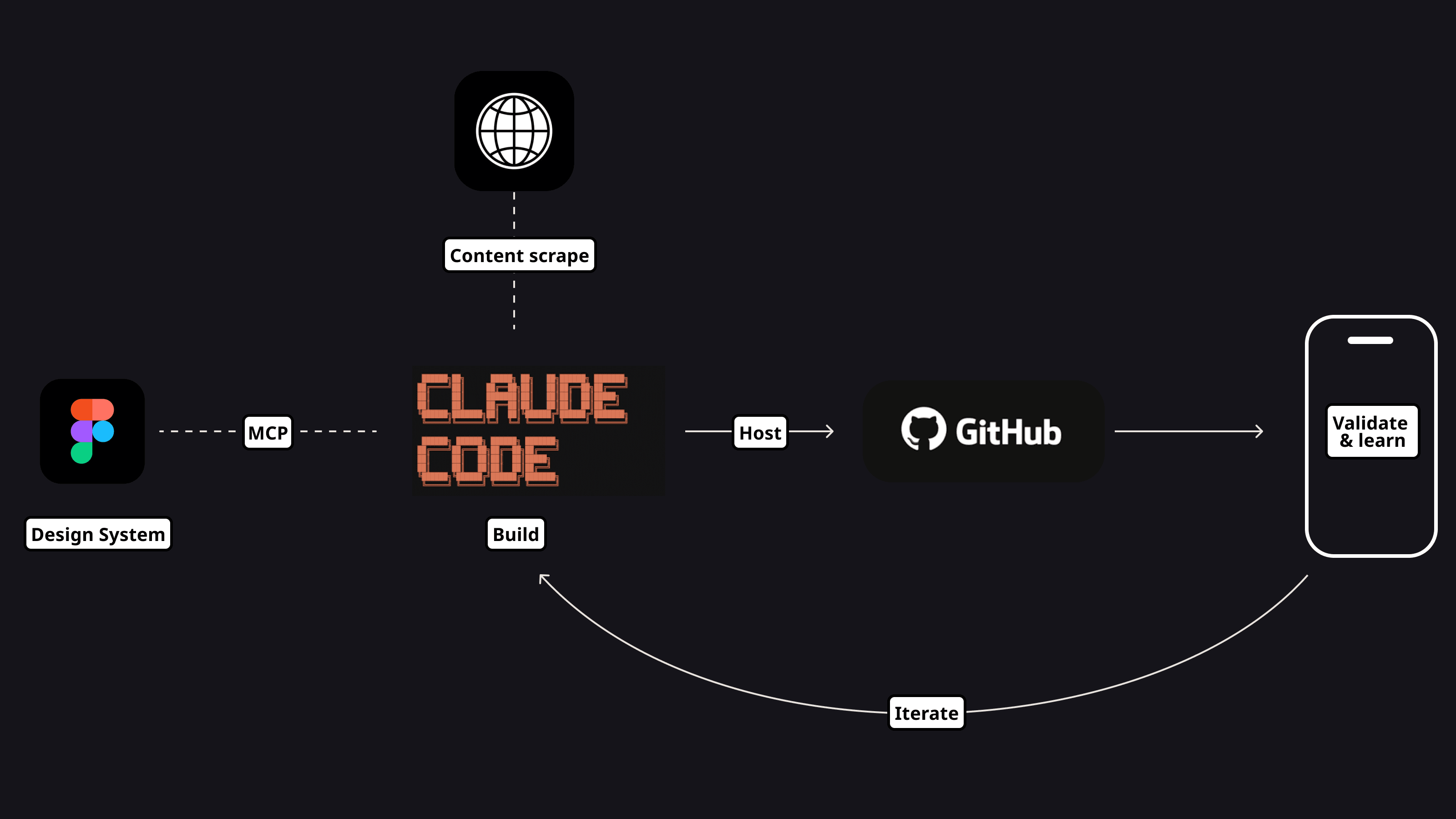
Role: UX Design / Methods: Usability testing, rapid prototyping, AI-assisted iteration, SwiftUI, Claude Code
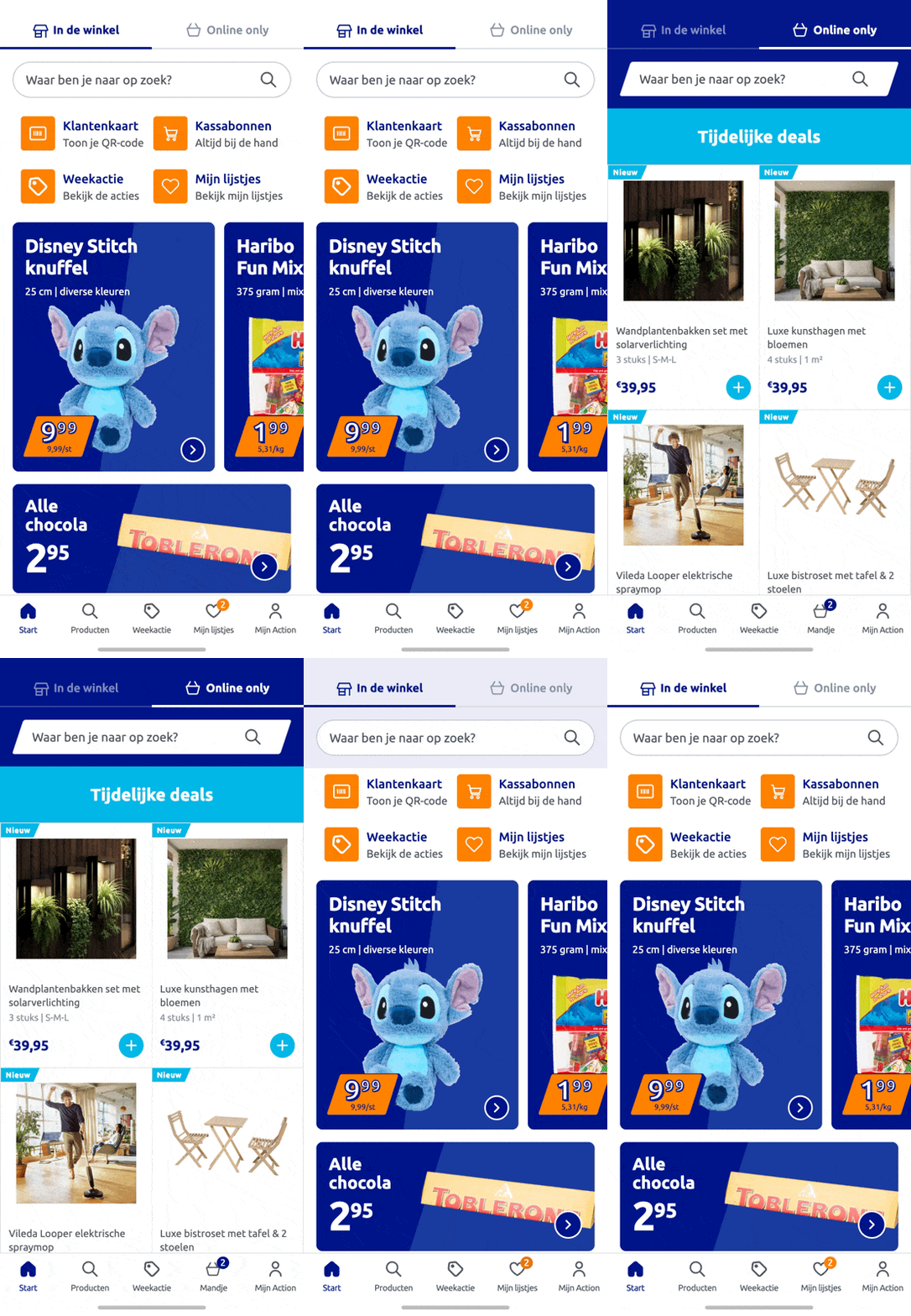
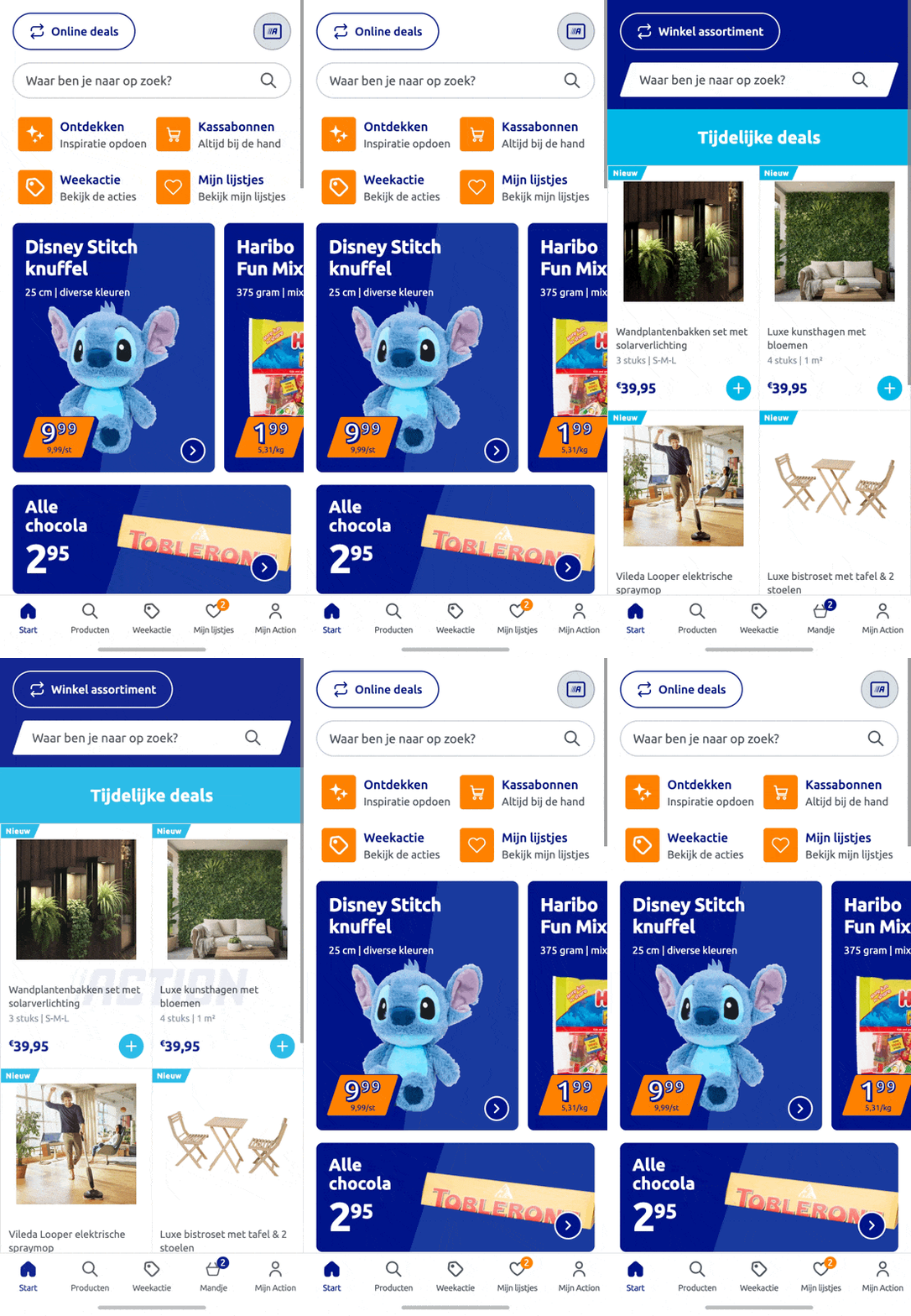
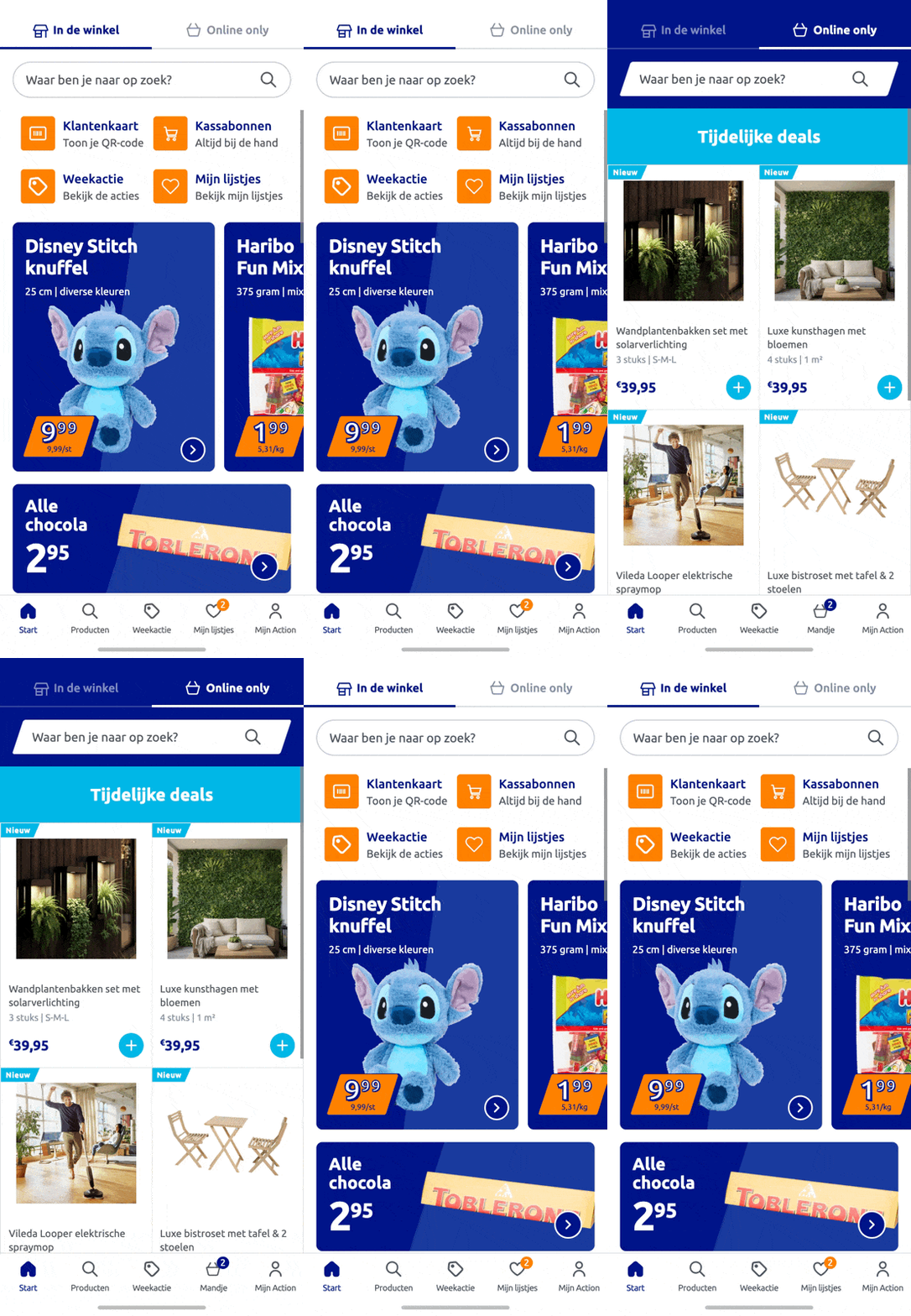
In parallel, I rebuilt the entire Action app as a working prototype. Real content on every page, keyboard behaviour intact. Figma covers a slice of an interaction; this handled the whole thing.
Links
Action
Action is one of Europe's fastest-growing retailers, with digital still in an early stage. As a freelance consultant I work on building design maturity: setting up product trios, defining strategic direction across experience topics and establishing ways of working that bring decision-making closer to the user. The case above sits at the intersection of that strategic work and a more hands-on question: does the mental model for merging webshop and in-store assortment actually make sense to users?
hello@dspbrg.com
hello[at]dspbrg.com